Navigating the AI Era: Why Lean Teams & 'Vibecoding' Are Key to Winning Modern Contracts

Alex Nguyen
Head of AI Engineering
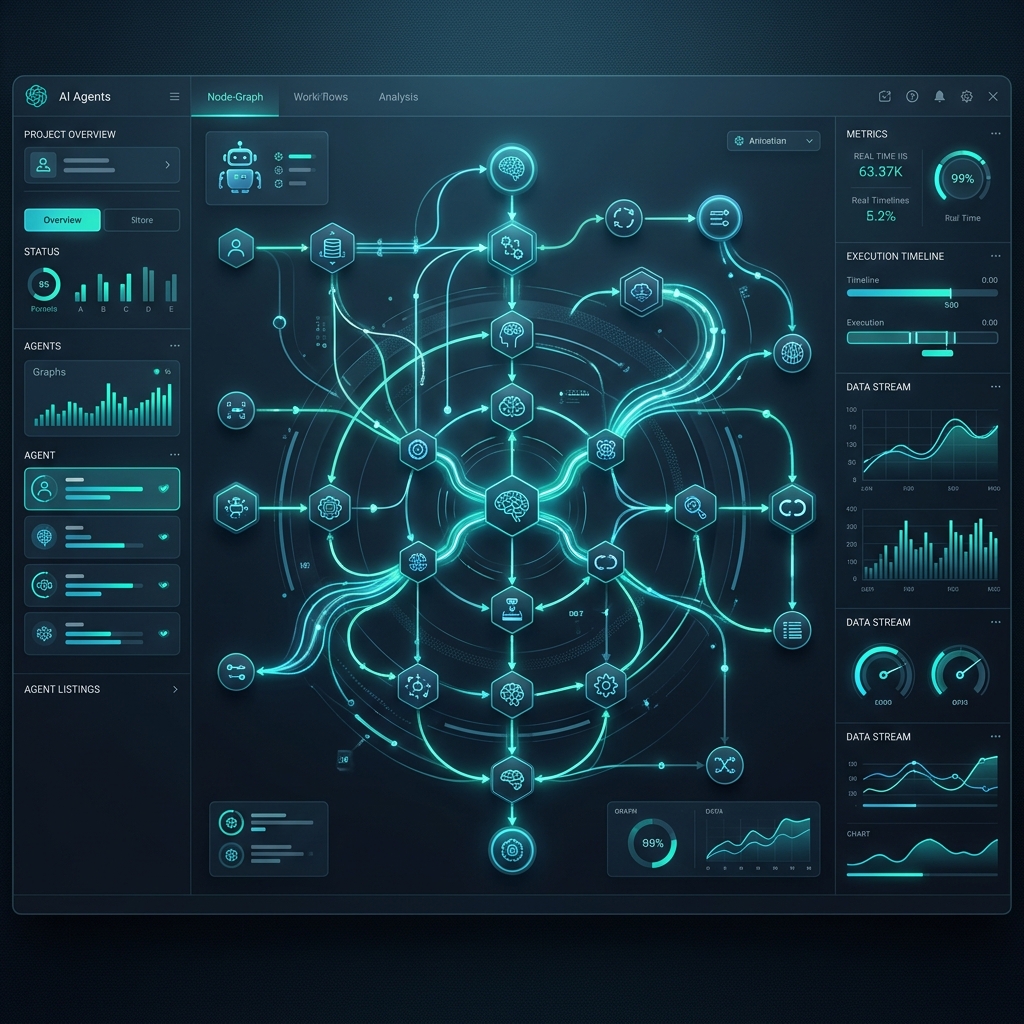
The software technology landscape is facing an intense double-sided challenge: enterprise clients and potential customers now expect aggressive cost reductions on every contract and tender, while AI technology advances at a breakneck pace. For IT consultancies, software houses, and product teams, continuing with large, traditional engineering overhead is no longer sustainable.
The Push for Leaner Engineering Teams
Reducing team size and operating lean has become one of the primary survival strategies in today's market. With clients scrutinizing budgets and favoring bids that deliver speed at lower price points, companies that fail to optimize headcount risk being outcompeted in tenders. However, simply cutting team size without changing how work is done is a recipe for failure.
Downsizing without AI adaptation leads to missed deadlines and burnout; downsizing paired with 'vibecoding' and agentic AI enables smaller teams to outperform traditional 10-person squads.
Staying On Top of AI: The 'Vibecoding' Advantage
To thrive with a compact workforce, existing engineers must stay at the forefront of AI adoption. This is where 'vibecoding'—the workflow of directing, orchestrating, and refining code using advanced AI subagents and LLMs—becomes a game-changer. Instead of typing boilerplate syntax for hours, engineers operate as high-level architects and auditors.
Key Pillars of AI-First Team Efficiency
- Competitive Tender Pricing: Lower headcount and operational overhead allow firms to submit significantly more attractive contract bids without sacrificing margins.
- Accelerated Delivery Cycles: AI-driven scaffolding and automated testing allow a lean team of 2-3 engineers to ship features in days rather than weeks.
- Focus on Architecture & Intent (Vibecoding): Engineers spend less time on routine implementation and more time solving complex business logic, UI/UX polish, and system security.
- Continuous Adaptation: Staying ahead of new AI models, subagents, and automated workflows ensures the team's capabilities expand exponentially over time.
Example: High-Velocity AI Orchestration Pipeline
Below is a conceptual workflow illustrating how a lean engineering team leverages AI agents to handle feature generation, verification, and deployment in a vibecoding loop:
import { AgentOrchestrator, CodeAuditor } from "@ryl/ai-engine";

async function executeVibecodingPipeline(featureSpec: string) {
  // 1. High-level intent translates into executable architecture plan
  const plan = await AgentOrchestrator.createPlan(featureSpec);

  // 2. Autonomous subagents generate code & unit test suites
  const implementation = await AgentOrchestrator.generateFeature(plan);

  // 3. Automated linting, type checks, and security audit
  const audit = await CodeAuditor.verify({
    code: implementation.code,
    tests: implementation.tests,
    strictMode: true
  });

  if (audit.passed) {
    console.log("Feature ready for human review & deployment.");
    return implementation;
  } else {
    // 4. Self-healing loop: AI fixes detected issues automatically
    return await AgentOrchestrator.refineCode(implementation, audit.issues);
  }
}
How RYL Technology Helps Businesses Adapt & Win
At RYL Technology, we combine deep domain expertise with cutting-edge AI agentic workflows. By mastering vibecoding and AI-assisted development, we help our enterprise partners drastically lower project costs while delivering robust, production-grade applications that win contracts and dominate markets.
Related Articles